Water Doesn't Pollute
Our Life, So Why Do We Pollute Its?

Water
is no doubt one of the most precious sources present on this planet. No living
thing can ever exist without it. Therefore, we have to be very serious about
the issue of water pollution that is rising with the passage of time. All our
daily activities are based on water. It is obligatory for us to preserve this
valuable source for our future generations.
Water
pollution is a growing problem in our environments. Water pollution causes many
problems and is very dangerous.
For example let’s say a river is contaminated. The fish in the water and other living creatures then become infected with this substance and it may even kill them. If the fish or other living creatures die then that would mean less food for other animals such as birds. Then this could result in the population decrease of this species of bird. Then there would be two population decreases that would just throw off the whole food chain. When the birds die out from feasting on the contaminated fish then the bird’s population could decrease or possibly cease to exist. With a population decrease in the birds, the animals that prey on the birds would have a decrease in their resources which would possibly weaken their species. This could possibly consequence in the extinction of a species. Another threatening form of water pollution would be if the fish was infected by the contaminate and then when the bird ate it the bacteria or whatever it was would then spread to the bird and either kill it or continue to spread throughout the food chain.
For example let’s say a river is contaminated. The fish in the water and other living creatures then become infected with this substance and it may even kill them. If the fish or other living creatures die then that would mean less food for other animals such as birds. Then this could result in the population decrease of this species of bird. Then there would be two population decreases that would just throw off the whole food chain. When the birds die out from feasting on the contaminated fish then the bird’s population could decrease or possibly cease to exist. With a population decrease in the birds, the animals that prey on the birds would have a decrease in their resources which would possibly weaken their species. This could possibly consequence in the extinction of a species. Another threatening form of water pollution would be if the fish was infected by the contaminate and then when the bird ate it the bacteria or whatever it was would then spread to the bird and either kill it or continue to spread throughout the food chain.
- Types of water pollution
- Nutrients Pollution - Some waste water, fertilizers and sewage contain high levels of nutrients.
- Surface water pollution - Surface water includes natural water found on the earth's surface, like rivers, lakes, lagoons and oceans.
- Oxygen Depleting - Water bodies have micro-organisms. These include aerobic and anaerobic organisms.
- Ground water pollution - When humans apply pesticides and chemicals to soils, they are washed deep into the ground by rain water.

- Microbiological - In many communities in the world, people drink untreated water (straight from a river or stream).
- Suspended Matter - Some pollutants (substances, particles and chemicals) do not easily dissolve in water.
- Chemical Water Pollution - Many industries and farmers work with chemicals that end up in water.
- Oil Spillage - Oil spills usually have only a localized effect on wildlife but can spread for miles.


- Natural Causes of Water Pollution
Sometimes
water pollution can occur through natural causes like volcanoes, algae blooms,
animal waste, and silt from storms and floods.
- Human causes of Water pollution
A lot of water pollution comes from human activity. Some
human causes include sewage, pesticides and fertilizers from farms, waste water
and chemicals from factories, silt from construction sites, and trash from
people littering.
- Oil spills
- Acid rain
Air pollution can also have a direct
effect on water pollution. When particles like sulfur dioxide get high into the air they can
combine with rain to produce acid rain. Acid rain can turn lakes acidic,
killing fishes and other animals.
- Effects on the Environment
Water pollution can have
disastrous effects on the environment.
- Pollution in the water can reach a point where
there isn't enough oxygen in the water for the fish to breathe. The fish can
actually suffocate!
- Sometimes pollution affects the entire food
chain. Small fishes absorb pollutants, such as chemicals, into their bodies.
Then bigger fishes eat the smaller fishes and get the pollutants too. Birds or
other animals may eat the bigger fishes and be harmed by the pollutants. One
example of this was the use of the insecticide (bug killer) DDT. When birds of
prey ate fishes that were infected with it, they would lay eggs with thin
shells. The population of birds of prey began to drop until DDT was banished.
- Sewage can also cause major problems in rivers.
Bacteria in the water will use oxygen to break down the sewage. If there is too
much sewage, the bacteria could use up so much oxygen that there won't be
enough left for the fish.
- Water pollution from major events like acid rain
or oil spills can completely destroy marine habitats.
- Effects on Health
One of
the most precious and important commodities for life on planet Earth is clean
water. For over 1 billion people on the planet, clean water is nearly
impossible to get. Dirty, polluted water can make them sick and is especially
tough on young children. Some bacteria and pathogens in water can make people
so sick they can die.
- Prevention:

At home, there are things you
and your family can do to cut back on water pollution in your neighborhood:
- Don't litter. Trash that is
thrown in the streets usually winds up down storm drains.
- Watch those sprinklers. Place
water sprinklers so they water the grass or flowers and not the street or
sidewalk. Also, don't water on windy days or in the hottest part of the day so
more water will be absorbed by plants and less will be wasted.
- About
fertilizers: they are good for the garden, but too much of a good thing can
hurt the environment by causing algae bloom. Check with a garden store to find
out how much fertilizer your soil needs and consider using organic fertilizers.
- Compost
your grass clippings to make natural fertilizer or leave it on the lawn as a
source of nutrients.

=> Any change or modification in the physical, chemical and biological properties of water that will have a detrimental consequence on living things is water pollution.
- The water pollution problem
- Water
covers over 70% of the Earth’s surface. It is a very important resource for
people and the environment.
- Water
pollution affects drinking water, rivers, lakes and oceans all over the world.
In many developing countries, it is usually a leading cause of death, by people
drinking from polluted water sources.
More to
this, water pollution affects not only individual living species, but also
populations and entire functioning ecosystems that exists in the waters.
Humans
have now realized the importance of clean water as a foundation for life. In
recent time, more and more organisations and councils are working hard to
educate, protect, restore waterways and encourage practices that help keep
waters from contamination, and also to preserve water ecosystems from
destruction.
In this
lesson, we shall learn all about water pollution, the types of water pollution,
causes of water pollution, effects and some preventive practices that we can
all use to help deal with water pollution. Use the menus on your left to learn
more. Enjoy!
- Important facts of water pollution.
- 40% of America’s rivers and 46%
of America’s lakes are too polluted for fishing, swimming, or aquatic life.
- In developing countries, 70
percent of industrial wastes are dumped untreated into waters where they
pollute the usable water supply. (Source: WWAP)
- 27% of
the urban population in the developing world do not have piped water in their
homes. (Source: UNESCO)
- A lack
of safe water and sanitation in cities leads to cholera, and malaria. (Source: WHO)

What does CSR mean?
It means Corporate Social Responsibility becomes an integral part of the wealth creation process - which if managed properly should enhance the competitiveness of business and maximize the value of wealth creation to society.
The concept of CSR is underpinned by the idea that corporations can no longer act as isolated economic entities operating in detachment from boarder society.
 Bibliography:
- "What Is Water Pollution for Children." What Is Water Pollution for Children. BusinessGhana.com, 2010. Web. 26 Nov. 2013.
- "Environment for Kids: Water Pollution." Ducksters. Technological Solutions, Inc. (TSI), Nov. 2013. Web. 28 Nov. 2013.
- "Water Pollution." Water Pollution. N.p., n.d. Web. 27 Nov. 2013.
- "Health Impacts of Water Pollution." Health Impacts of Water Pollution. Edugreen, n.d. Web. 25 Nov. 2013.
- "Causes and Effects of Water Pollution | Go Green Academy." Go Green Academy RSS. Go Green Academy RSS, n.d. Web. 27 Nov. 2013.
- Prevention:

At home, there are things you
and your family can do to cut back on water pollution in your neighborhood:
- Don't litter. Trash that is thrown in the streets usually winds up down storm drains.
- Watch those sprinklers. Place water sprinklers so they water the grass or flowers and not the street or sidewalk. Also, don't water on windy days or in the hottest part of the day so more water will be absorbed by plants and less will be wasted.
- About fertilizers: they are good for the garden, but too much of a good thing can hurt the environment by causing algae bloom. Check with a garden store to find out how much fertilizer your soil needs and consider using organic fertilizers.
- Compost your grass clippings to make natural fertilizer or leave it on the lawn as a source of nutrients.

=> Any change or modification in the physical, chemical and biological properties of water that will have a detrimental consequence on living things is water pollution.
- The water pollution problem
- Water covers over 70% of the Earth’s surface. It is a very important resource for people and the environment.
- Water pollution affects drinking water, rivers, lakes and oceans all over the world. In many developing countries, it is usually a leading cause of death, by people drinking from polluted water sources.
Humans have now realized the importance of clean water as a foundation for life. In recent time, more and more organisations and councils are working hard to educate, protect, restore waterways and encourage practices that help keep waters from contamination, and also to preserve water ecosystems from destruction.
In this lesson, we shall learn all about water pollution, the types of water pollution, causes of water pollution, effects and some preventive practices that we can all use to help deal with water pollution. Use the menus on your left to learn more. Enjoy!
- Important facts of water pollution.
- 40% of America’s rivers and 46% of America’s lakes are too polluted for fishing, swimming, or aquatic life.
- In developing countries, 70 percent of industrial wastes are dumped untreated into waters where they pollute the usable water supply. (Source: WWAP)
- 27% of the urban population in the developing world do not have piped water in their homes. (Source: UNESCO)
- A lack of safe water and sanitation in cities leads to cholera, and malaria. (Source: WHO)

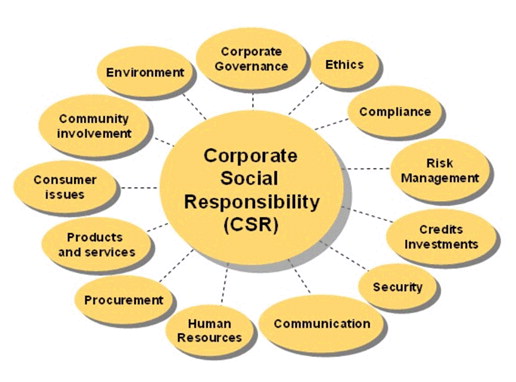
What does CSR mean?
It means Corporate Social Responsibility becomes an integral part of the wealth creation process - which if managed properly should enhance the competitiveness of business and maximize the value of wealth creation to society.
The concept of CSR is underpinned by the idea that corporations can no longer act as isolated economic entities operating in detachment from boarder society.
- "What Is Water Pollution for Children." What Is Water Pollution for Children. BusinessGhana.com, 2010. Web. 26 Nov. 2013.
- "Environment for Kids: Water Pollution." Ducksters. Technological Solutions, Inc. (TSI), Nov. 2013. Web. 28 Nov. 2013.
- "Water Pollution." Water Pollution. N.p., n.d. Web. 27 Nov. 2013.
- "Health Impacts of Water Pollution." Health Impacts of Water Pollution. Edugreen, n.d. Web. 25 Nov. 2013.
- "Causes and Effects of Water Pollution | Go Green Academy." Go Green Academy RSS. Go Green Academy RSS, n.d. Web. 27 Nov. 2013.
